[1]Panieri, E., Baralic, K., Djukic-Cosic, D., Buha Djordjevic, A., & Saso, L. (2022). PFAS Molecules: A Major Concern for the Human Health and the Environment. Toxics, 10(2), 44. https://doi.org/10.3390/toxics10020044
RIPARIAN BUFFER VIABILITY FOR CONTAMINANT REMOVAL
Resources and Additional Info
(click image to access)
[1]Panieri, E., Baralic, K., Djukic-Cosic, D., Buha Djordjevic, A., & Saso, L. (2022). PFAS Molecules: A Major Concern for the Human Health and the Environment. Toxics, 10(2), 44. https://doi.org/10.3390/toxics10020044
[2]Kentucky Energy and Environment Cabinet (2026). Source Water Protection Planning Guidance. https://eec.ky.gov/Environmental-Protection/Water/Protection/Pages/SWP.aspx
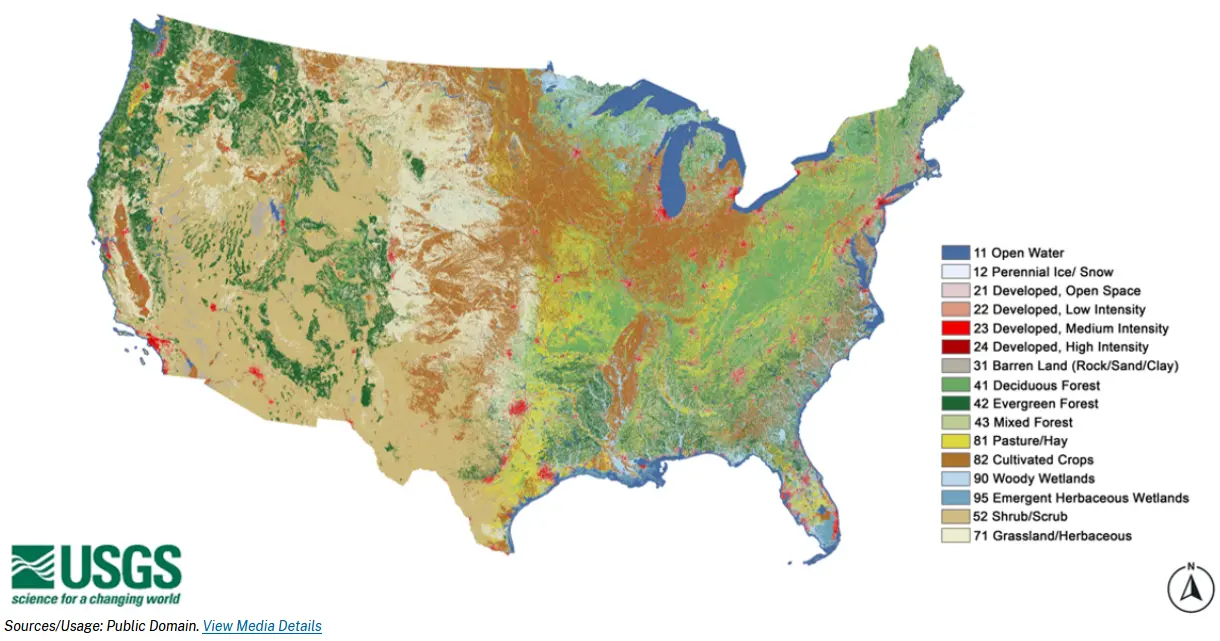
[3]U.S. Geological Survey (USGS), 2024, Annual NLCD Collection 1 Science Products: U.S. Geological Survey data release, https://doi.org/10.5066/P94UXNTS
[4]U.S. Environmental Protection Agency. (2024). Method 1633: Analysis of per- and polyfluoroalkyl substances (PFAS) in aqueous, solid, biosolids, and tissue samples by LC-MS/MS (EPA 821-R-24-005). Office of Water. https://www.epa.gov/system/files/documents/2024-12/method-1633a-december-5-2024-508-compliant.pdf
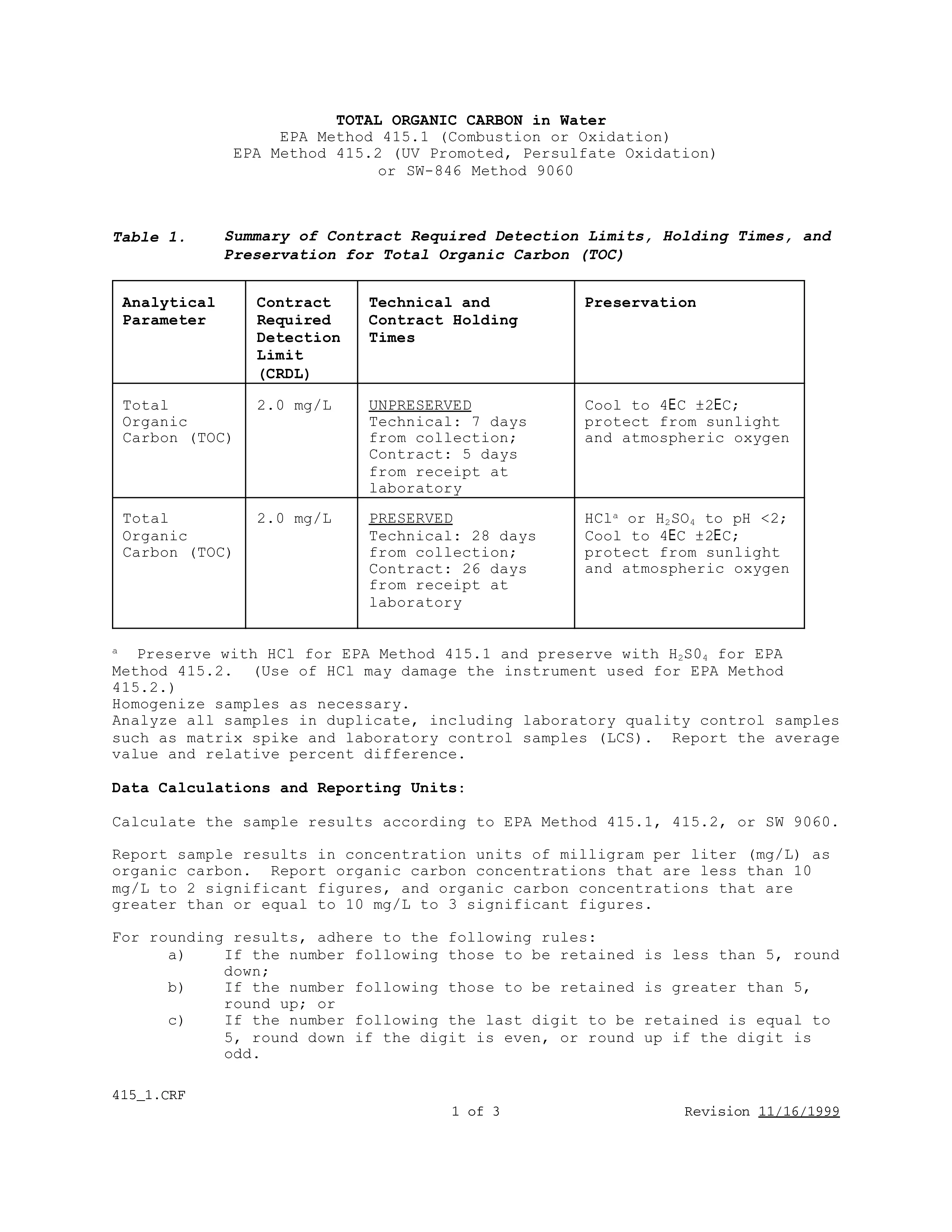
[5]U.S. Environmental Protection Agency. (1999). Method 415.1: Organic carbon, total (combustion or oxidation). In Methods for the Chemical Analysis of Water and Wastes (EPA-600/4-79-020). U.S. Environmental Protection Agency. https://19january2017snapshot.epa.gov/sites/ production/files/2015-06/documents/415_1dqi.pdf
ACKNOWLEDGMENTS
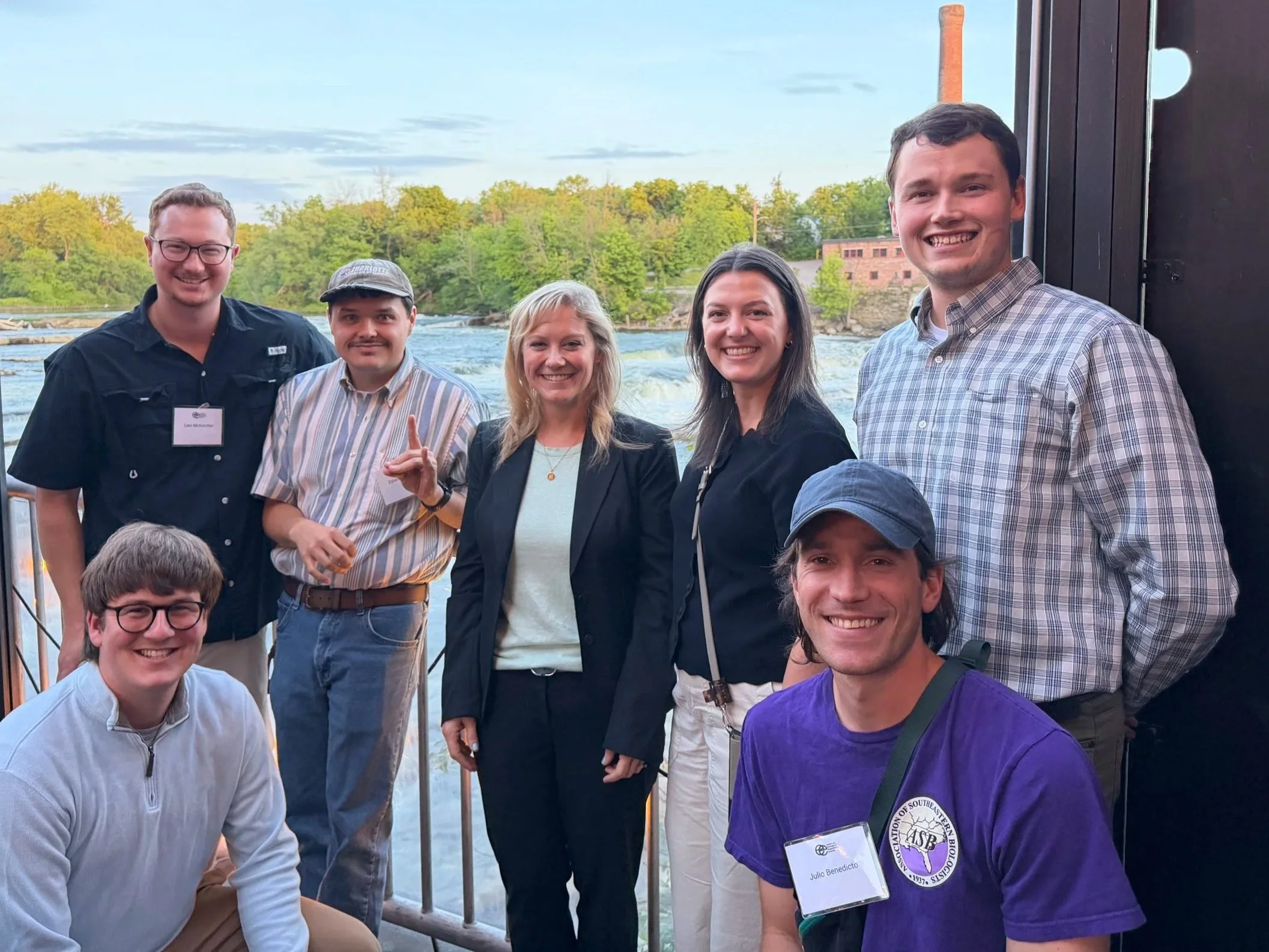
Thanks to the National Science Foundation and the University of Kentucky Department of Biosystems and Agriculture for hosting this research experience!
Make sure to check out the mesoProgram to learn more about our research!